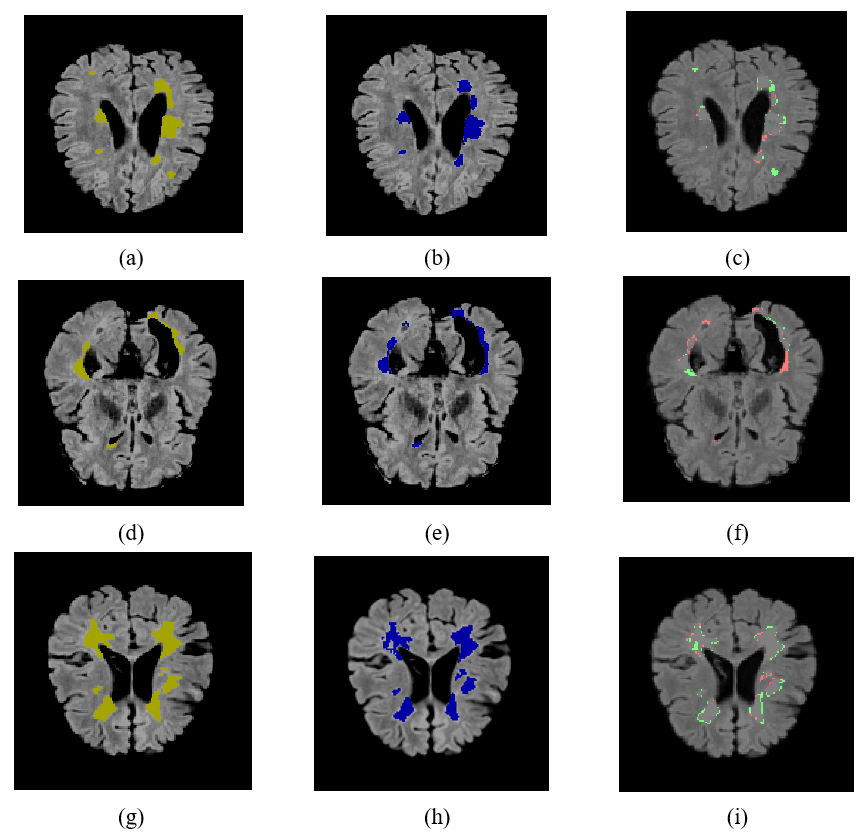
IbnSinaNet: a Hybrid CSPDenseNet and Squeeze Attention under the Supervision of Group CNNs for Automatic Segmentation of MS Lesions in MRI
Code
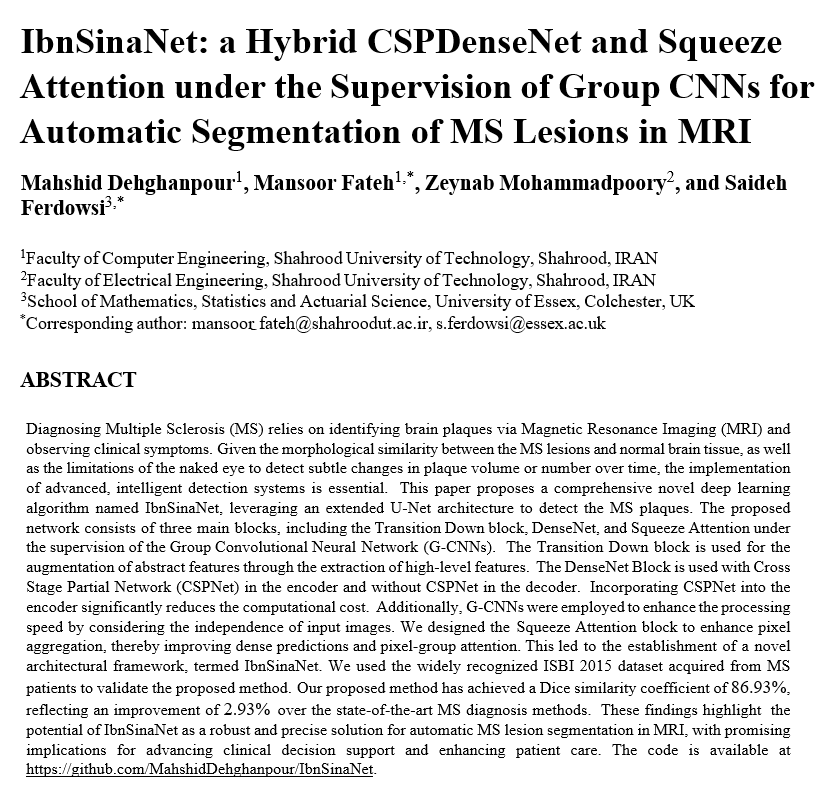
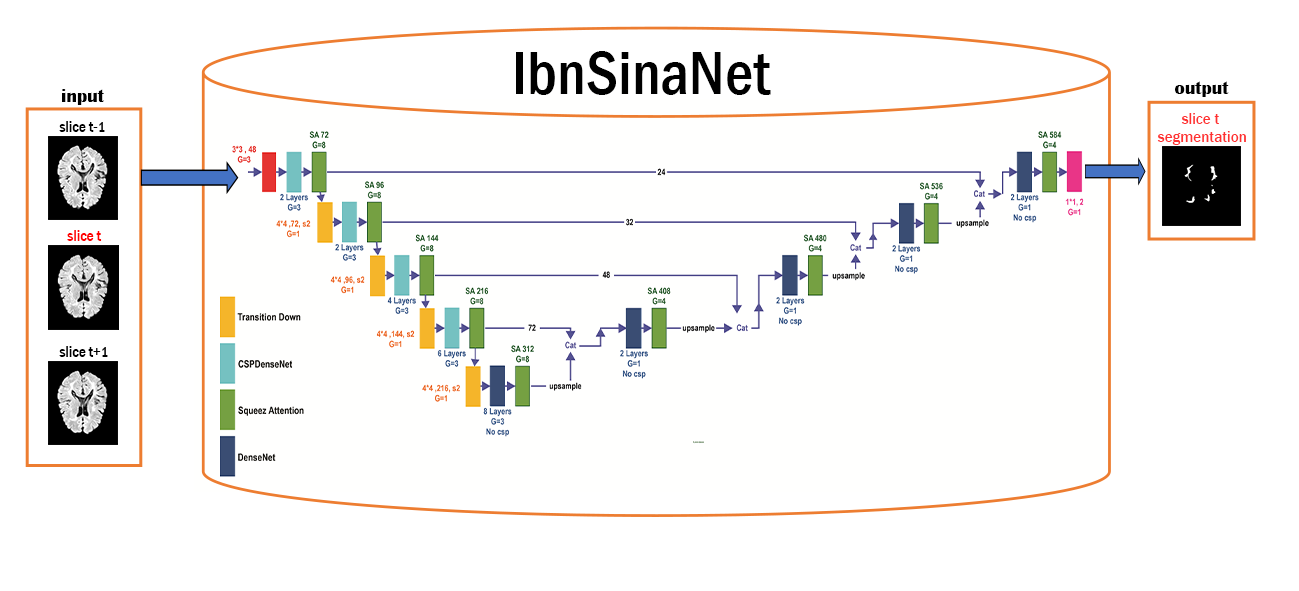
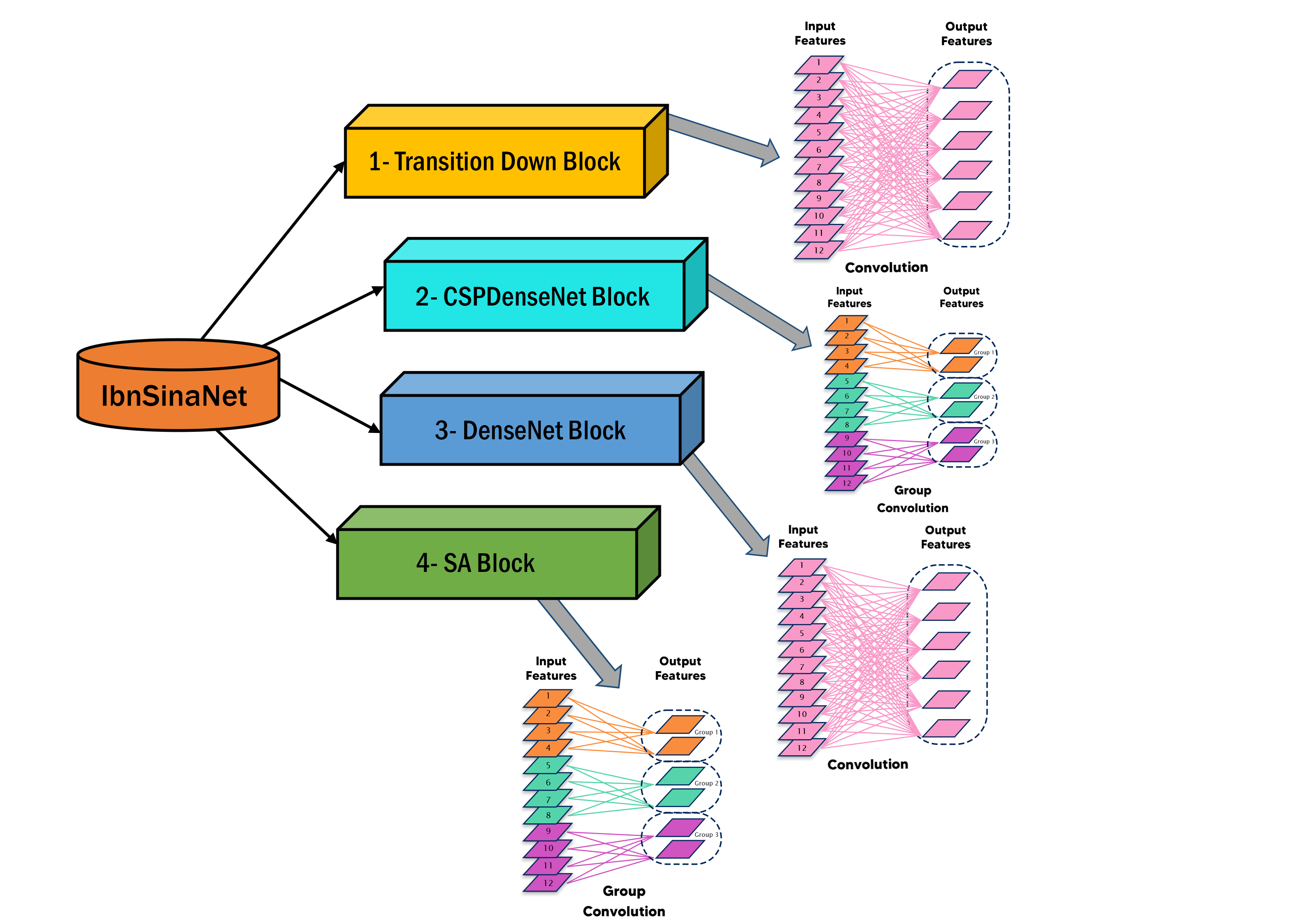
IbnSinaNet is a deep learning framework for automatic multiple sclerosis (MS) lesion segmentation from MRI images. Built on an enhanced U-Net architecture with DenseNet, Group Convolutions, and Squeeze Attention, it improves feature extraction while reducing computational cost. Evaluated on the ISBI 2015 dataset, IbnSinaNet achieved an 86.93% Dice score, outperforming previous methods and demonstrating strong potential for clinical decision support.
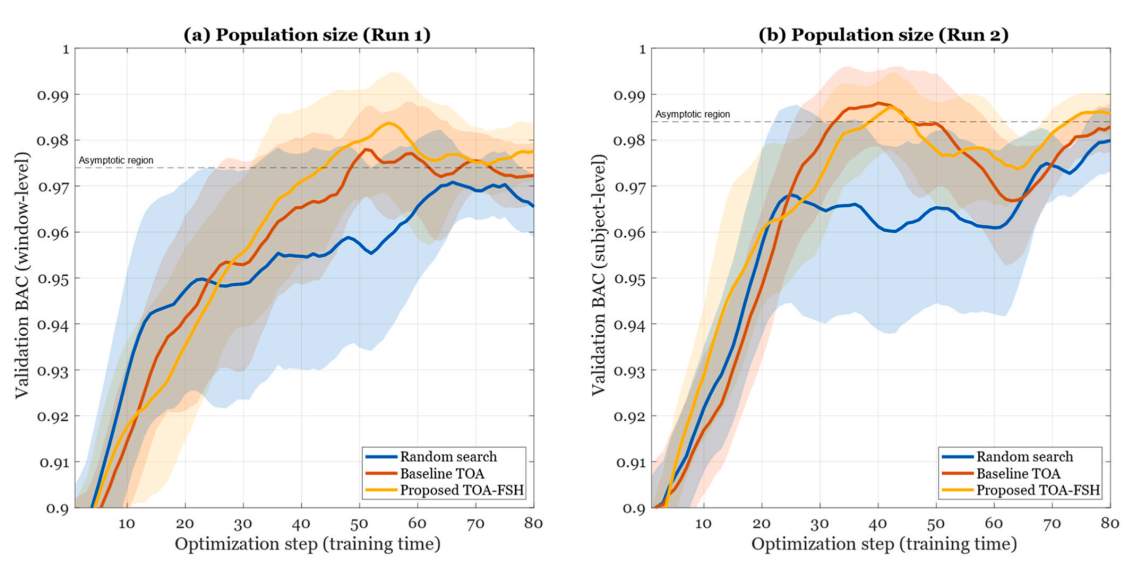
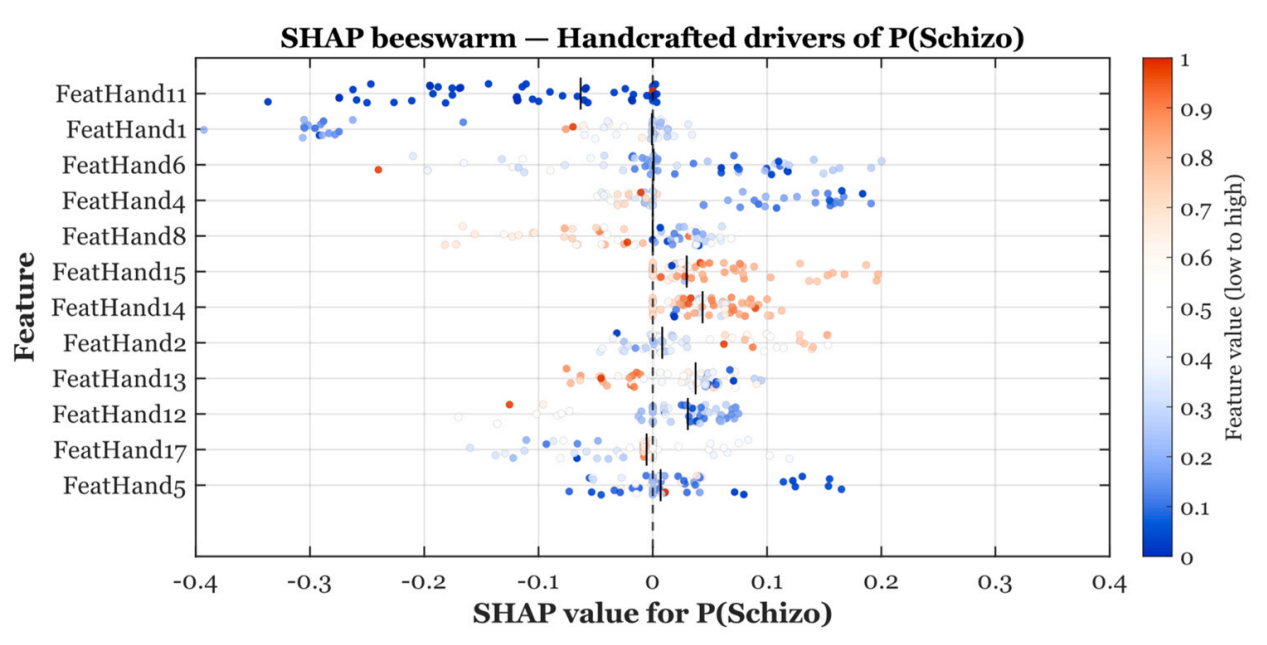
EEG-based schizophrenia detection using handcrafted biomarkers and a TOA-optimized hybrid multi-branch CNN–Transformer framework
Paper
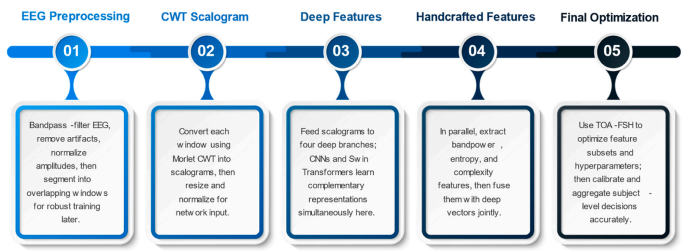
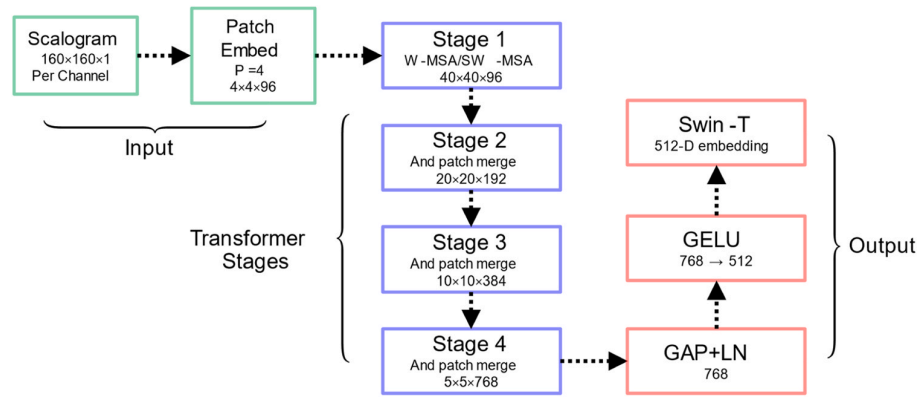
This study presents a hybrid EEG-based framework for schizophrenia diagnosis by combining deep learning, handcrafted EEG biomarkers, and TOA–FSH optimization. The proposed model integrates CNNs, a Swin Transformer, and calibrated subject-level decision fusion, achieving 97.6% window-level and 100% subject-level balanced accuracy, while demonstrating strong cross-cohort generalization on independent public EEG datasets.
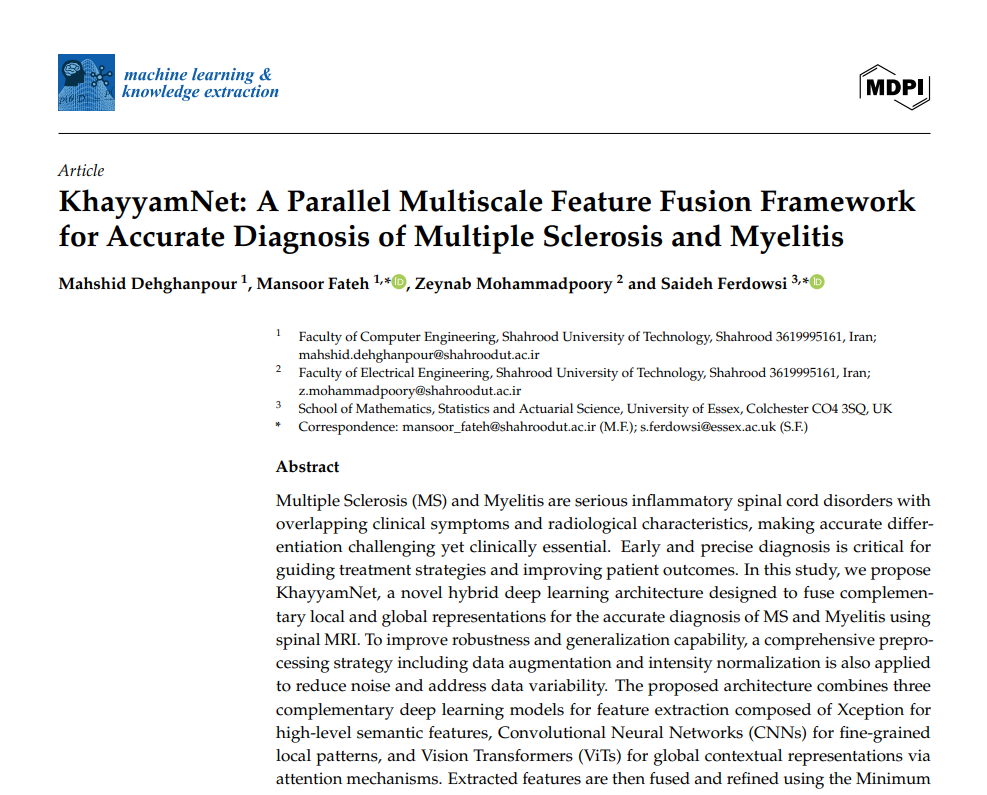
KhayyamNet: A Parallel Multiscale Feature Fusion Framework for Accurate Diagnosis of Multiple Sclerosis and Myelitis
Paper
Code
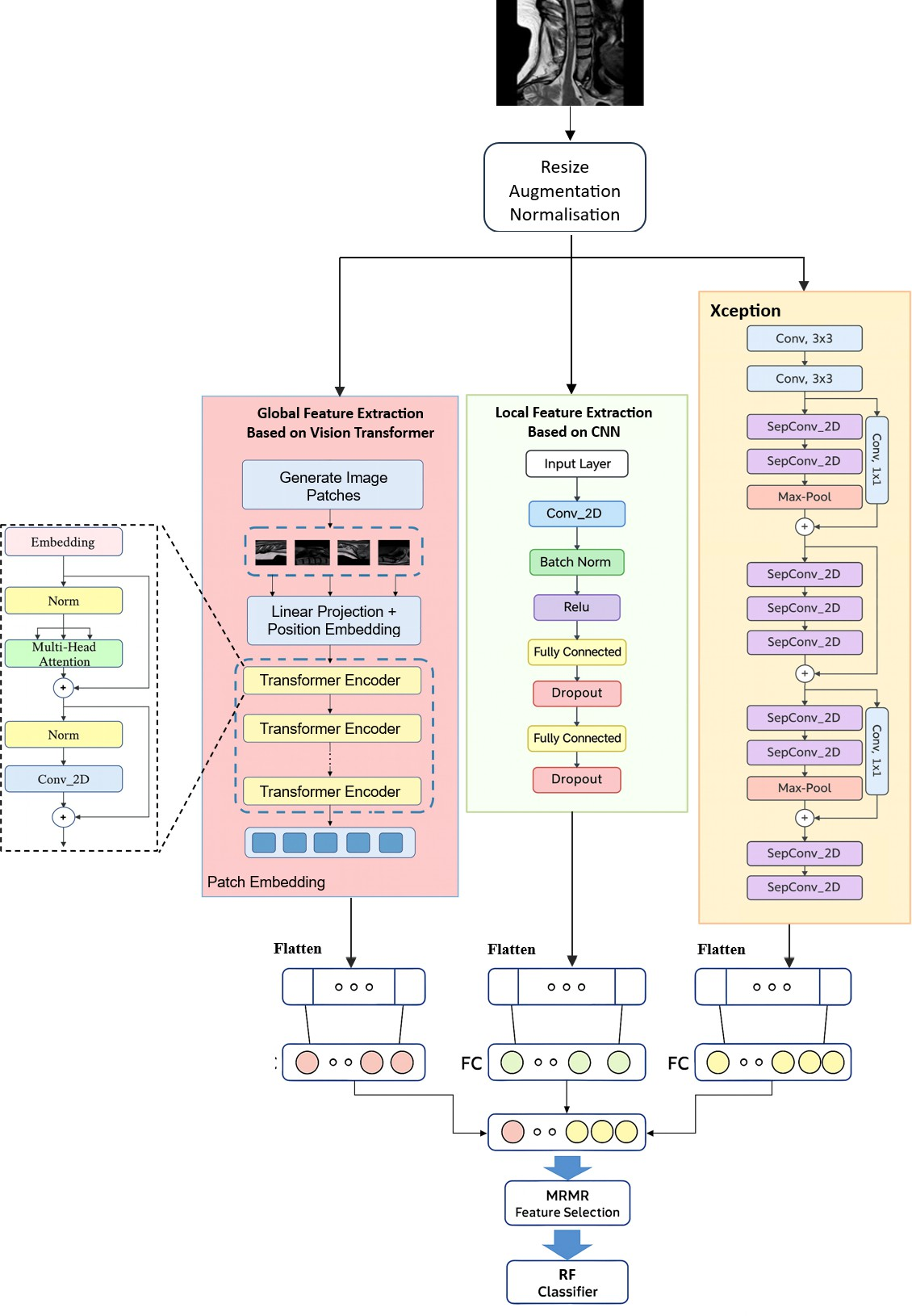
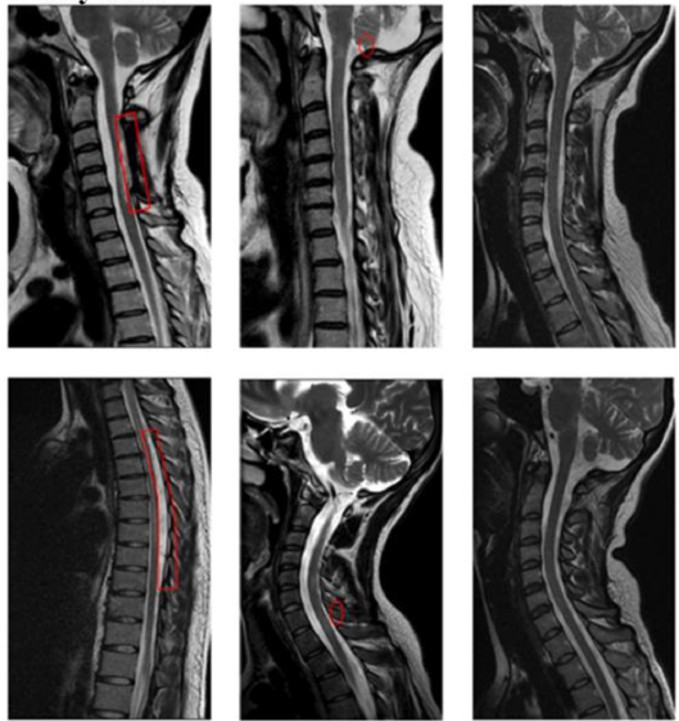
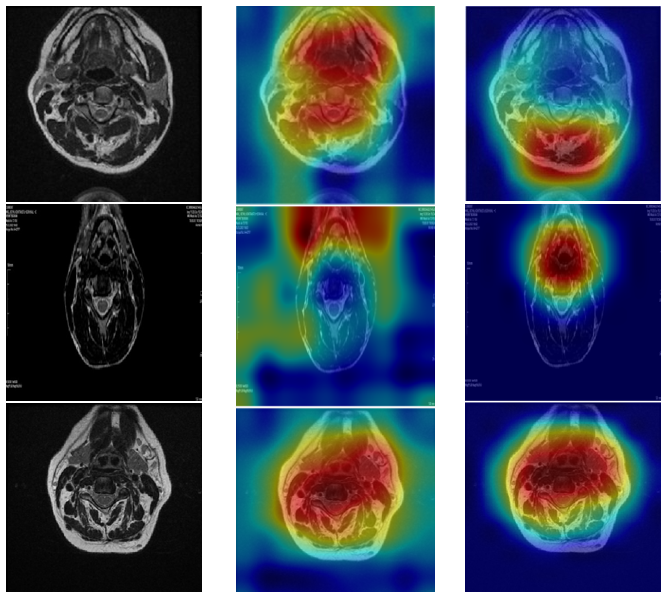
KhayyamNet is a hybrid deep learning framework for the automated diagnosis of multiple sclerosis (MS) and myelitis from spinal MRI. It integrates Xception, CNN, and Vision Transformer features, optimized using the MRMR algorithm and classified by Random Forest. The proposed framework achieved an average accuracy of 98.15 ± 0.80%, demonstrating robust and reliable performance for differentiating MS, myelitis, and healthy cases.
ZechariahNet: A Novel Method of MS Lesion Diagnosis Through MRI Images by the Combination of C-LSTM and 3D CNN Algorithms
Paper
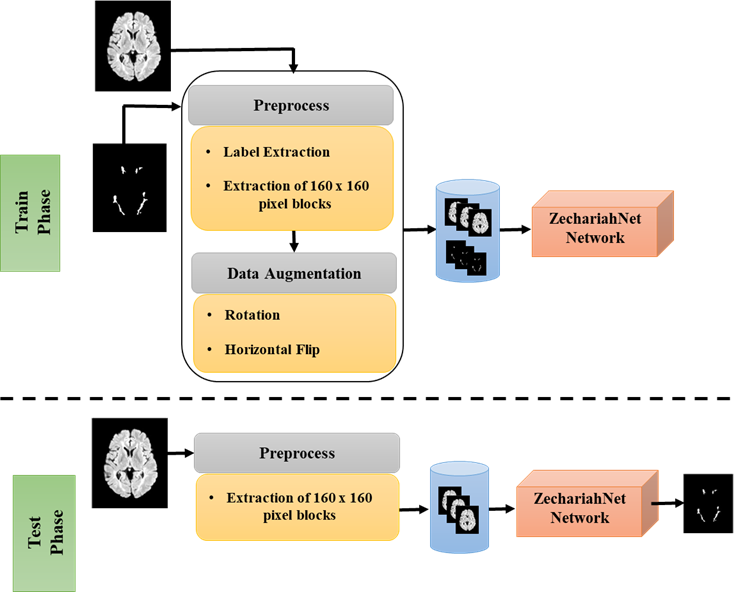
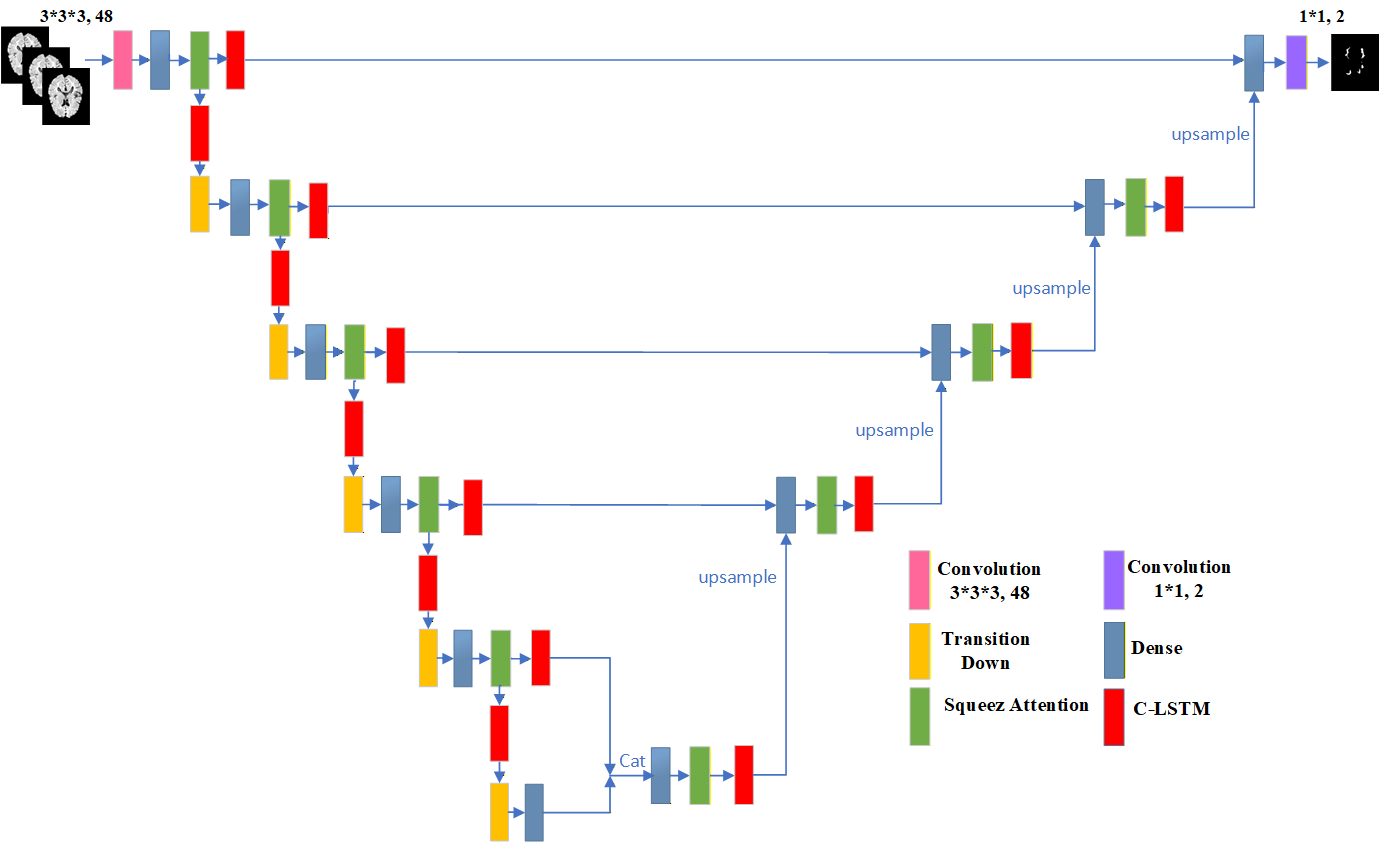
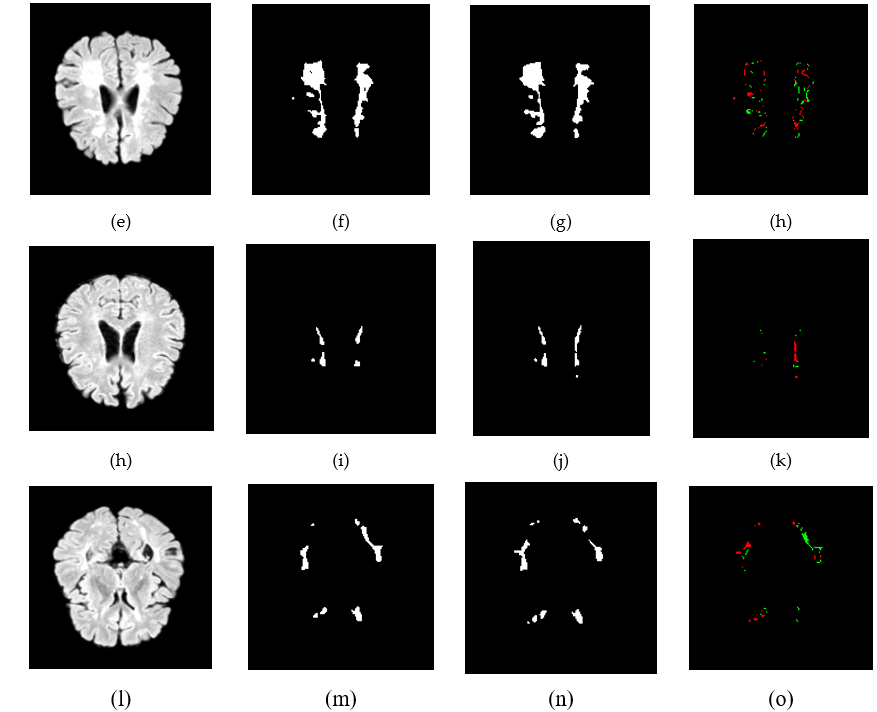
ZechariahNet is a novel 3D U-Net-based framework for automatic multiple sclerosis (MS) lesion segmentation from brain MRI. By combining dense blocks, squeeze-attention, transition down modules, and ConvLSTM, it effectively captures spatial and contextual information from consecutive MRI slices. The proposed model achieved a Dice Similarity Coefficient (DSC) of 84.72%, outperforming existing state-of-the-art methods.